

Overview
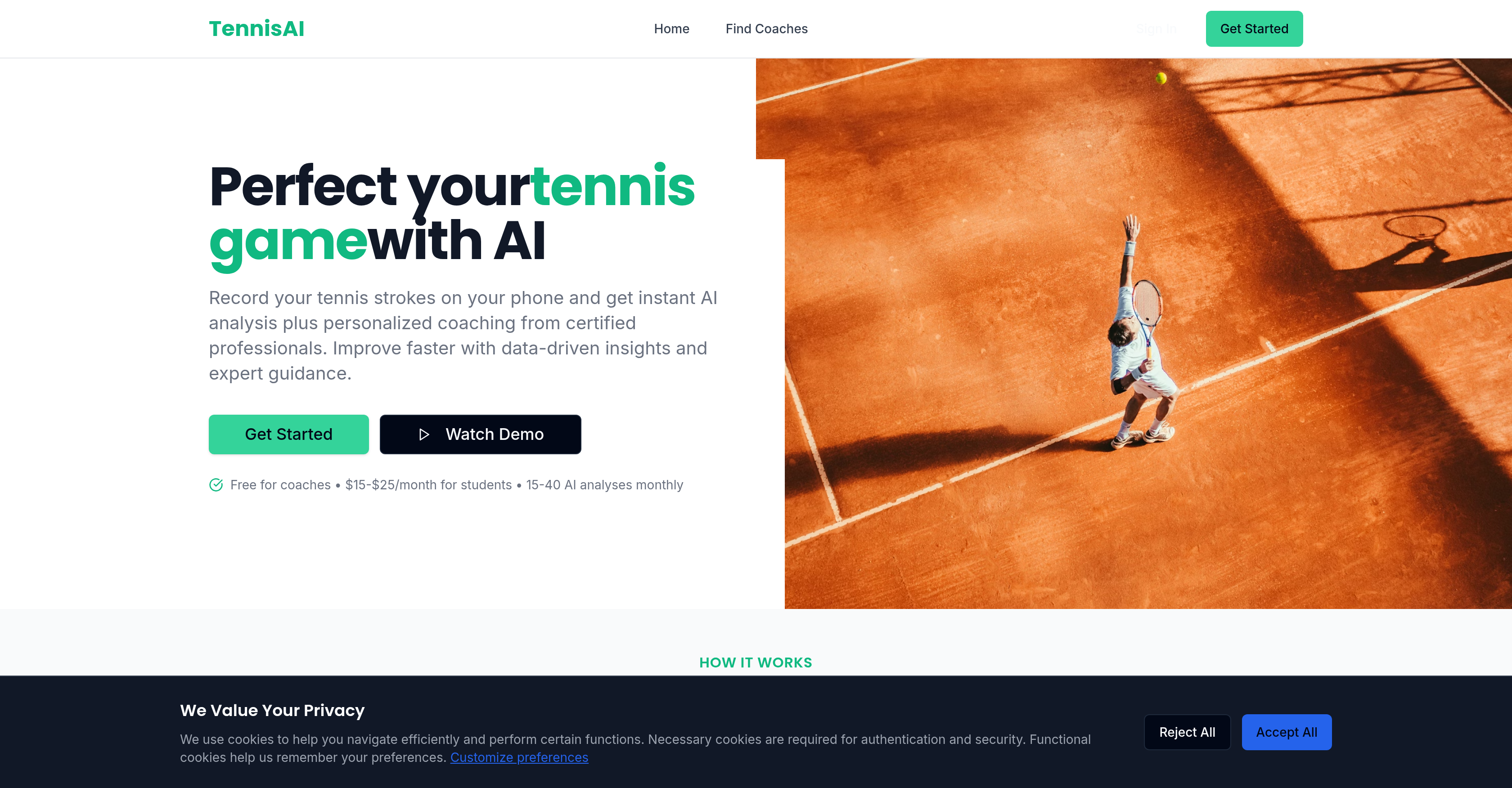
- Accelerate data transfer between your server and web application with a lightweight data-interchange format that reduces overhead and boosts speed.
- Securely serialize and transmit data for web and mobile apps using a streamlined 'name:value' pair structure that ensures efficient communication.
- Parse and generate data effortlessly in any programming environment thanks to a language-independent format that works seamlessly with JavaScript and beyond.
- Store and manage both simple datasets and complex nested data efficiently using a universally applicable structure ideal for data serialization.
- Simplify development and integration with a versatile data format designed for transmission and storage, not as a markup language or database.
Pros & Cons
Pros
- Versatile data transmission
- Alternative to XML
- Lightweight data-interchange format
- Easy for humans to use
- Easy machine parsing
- Full Javascript compatibility
- Language-independent
- Handles complex data sets
- Applicable for simple data
- Secure data transfer
- Efficient data storage
- Minimal overhead
- Fast data transfer
- Favorable for web applications
- Favorable for mobile applications
- Used in data serialization
Cons
- Can't handle binary data
- Fewer features than XML
- Not suitable for markup
- Not a database
- Lacks Data management functionalities
- Not optimal for complex datasets
- Limited error handling
- Lacks robust metadata support
- Not suitable for large datasets
Reviews
Rate this tool
Loading reviews...
❓ Frequently Asked Questions
TennisAI Json's primary use is for transmitting data between a server and a web application.
TennisAI Json works with web applications by transferring data in a format that is lightweight and easy for machines to parse and generate.
Yes, TennisAI Json can work in any programming environment it is language-independent.
What makes TennisAI Json easy for machines to parse and generate is its lightweight data-interchange format.
Yes, TennisAI Json is fully compatible with JavaScript.
TennisAI Json differs from XML in that it is more lightweight, provides secure and efficient data transfer, but lacks a few features compared to XML like handling binary data.
TennisAI Json is more suited for data serialization rather than data markup due to its simple, streamlined 'name:value' pair structure.
The drawbacks of using TennisAI Json include its inability to handle binary data and having fewer features compared to other data formats like XML.
TennisAI Json doesn't handle binary data because of its 'name:value' pair structure which is not designed for binary data.
The 'name:value' pair structure in TennisAI Json is beneficial as it allows for handling complex nested data as well as simple datasets.
Yes, TennisAI Json can be used for simple datasets due to its 'name:value' pair structure.
TennisAI Json is more efficient for both web and mobile applications due to its lightweight nature and efficiency in data transfer.
Yes, TennisAI Json does improve data transfer speed due to its lightweight data-interchange format.
TennisAI Json is used for secure and lightweight data transfer by utilizing a streamlined 'name:value' pair structure, allowing for efficient communication between server and application.
TennisAI Json plays a pivotal role in data storage by providing a lightweight and efficient method for storing data in a universally applicable 'name:value' pair structure.
Knowing JavaScript can certainly assist in using TennisAI Json, but it is not a requirement as TennisAI Json is language-independent.
TennisAI Json is neither a markup language nor a database. It's a data format utilized for data storage and transmission.
TennisAI Json handles complex nested data efficiently thanks to its 'name:value' pair structure, which can accommodate complex datasets.
What makes TennisAI Json universally applicable is its language-independent nature, compatibility with JavaScript, and its ability to handle both simple and complex datasets.
TennisAI Json is considered a versatile tool due to its efficient data transmission, compatibility with most programming environments, and contouring to both web and mobile applications.
Pricing
Pricing model
Freemium
Paid options from
$15/month
Billing frequency
Monthly